
Read the full story
Source: Economic Times
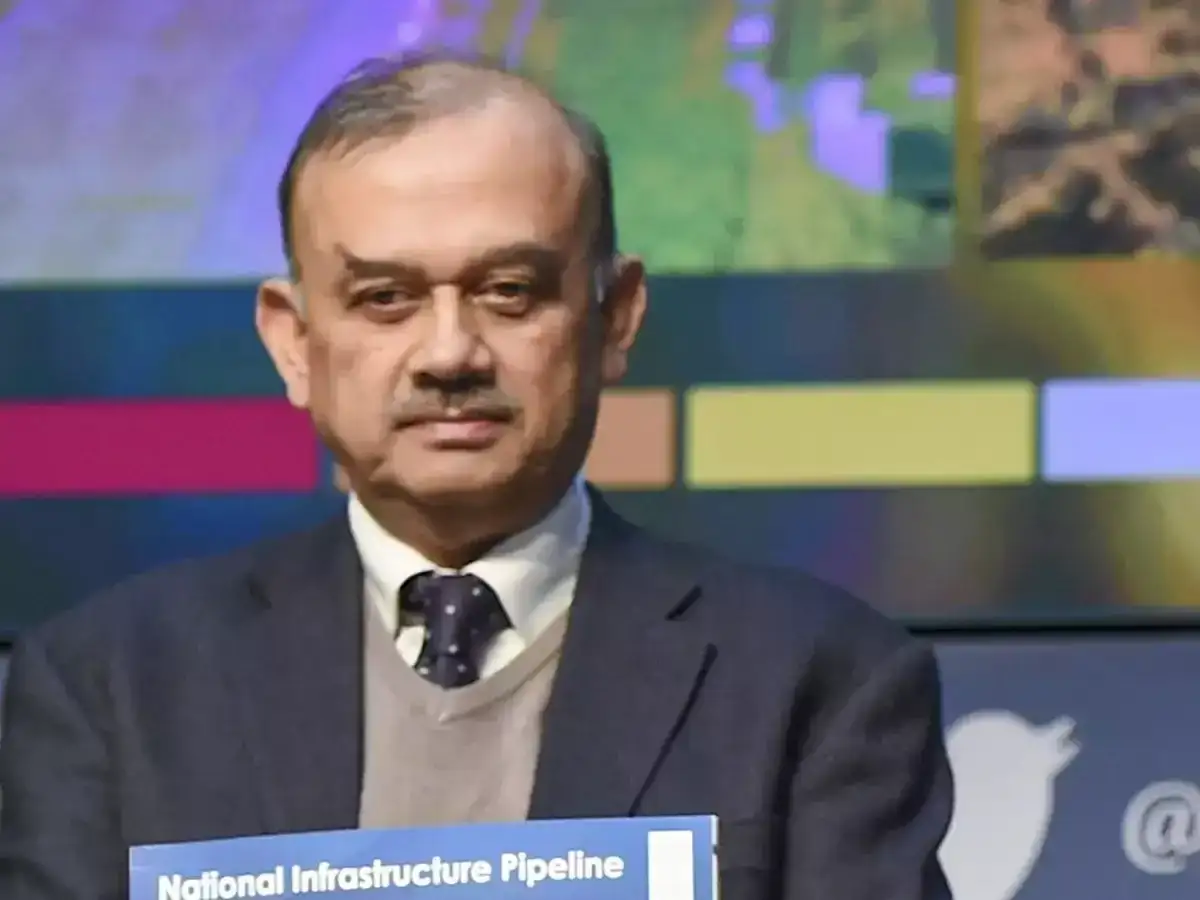
My resignation a call of conscience, not an allegation requiring legal review: HDFC's Atanu Chakraborty
Former HDFC Bank Chairman Atanu Chakraborty has clarified the real reasons behind his sudden resignation. He claims his departure was a matter of principle rather than a legal dispute.
Atanu Chakraborty, the former Chairman of HDFC Bank, has publicly clarified the circumstances surrounding his resignation. He stated that his decision to step down was a 'call of conscience' due to issues within the board's functioning. This statement comes as a response to rumors regarding his departure and the bank's internal processes.
Chakraborty has strongly refuted claims that he did not cooperate with an external legal review initiated by the bank. He explained that he consistently asked the bank to provide the 'Terms of Reference' (the specific goals and rules of the investigation) and the legal basis for such a review. According to him, the bank failed to provide these details, making it difficult for him to participate formally.
He emphasized that his resignation was not based on any specific allegation that required a legal probe. Instead, he framed it as a personal choice driven by his own morals and professional ethics regarding how the board was being managed. This distinction is important for the banking community to understand the difference between individual integrity and institutional disagreement.
For bank officers in India, this development is significant because it involves the leadership of the country's largest private sector bank. When a top official cites 'conscience' (personal sense of right and wrong) as a reason for leaving, it highlights the pressure and governance standards expected at the board level. It suggests that even at the highest levels of banking, internal disagreements over policy and management can lead to high-profile exits.
The situation also brings attention to the role of independent chairmen in Indian banks. Their job is to ensure that the bank follows the best practices set by the Reserve Bank of India (RBI). If a chairman feels they cannot fulfill this duty due to board interference, it can affect the bank's reputation among investors and the general public.
HDFC Bank customers do not need to worry about their daily banking services or the safety of their deposits. This is an internal administrative and governance matter at the board level. The bank continues to be financially strong and operates as usual across all its branches and digital platforms.
Looking ahead, the banking industry will be watching how HDFC Bank responds to these clarifications. It is possible that the RBI may take note of these statements to ensure that the governance framework (the system of rules and practices) of the bank remains solid. More updates are expected if any official regulatory inquiry is launched following these public statements.
Bank aspirants should learn from this case about the importance of corporate governance (the way a company is directed and controlled). Personal ethics and transparency are key traits for anyone looking to reach senior management positions in the Indian banking sector.