
Read the full story
Source: The Hindu BusinessLine
Trump reopens Fed battle at critical time for bond markets: Mike Dolan
The US President has renewed his legal attacks against a Federal Reserve Governor as a crucial interest rate meeting approaches. This pressure on the central bank could significantly impact global bond markets and investor confidence.
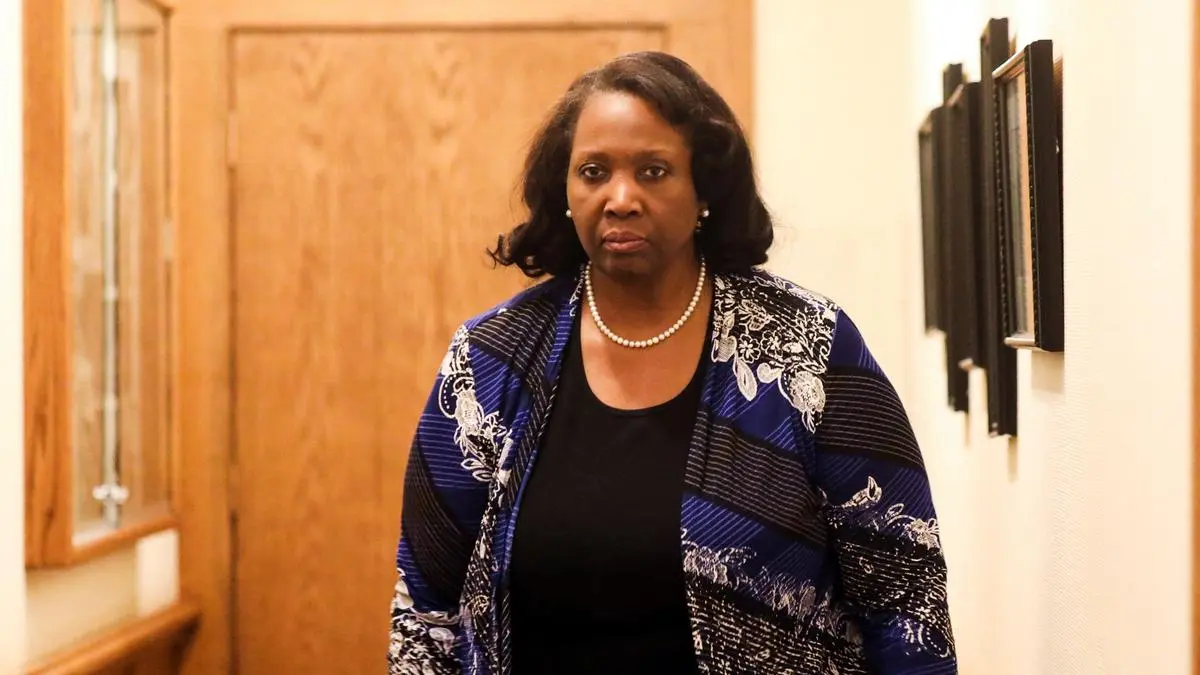
The US President, Donald Trump, has restarted his campaign to remove Federal Reserve (Fed) Governor Lisa Cook from her position. He is using unproven allegations of mortgage fraud to demand her response within three weeks. This deadline is very close to the next meeting of the Federal Open Market Committee (FOMC) scheduled for September 15-16. The FOMC is the group that decides whether to change interest rates in the US. This move has put the spotlight back on 'central bank independence' (the idea that a central bank should make decisions without being influenced by politicians).
The White House seems worried that the Fed might increase interest rates next month. Currently, inflation (the rate at which prices rise) has been above the target for nearly six years. This, along with high energy prices, is making the Fed consider a rate hike. Even though Fed Chair Kevin Warsh was appointed by Trump, it appears Warsh may not be able to stop the board from raising rates. By attacking Lisa Cook, the President might be looking for a 'scapegoat' (someone to blame) if interest rates go up before the November midterm elections.
Inside the Fed, the decision-making body is split. In the last meeting, most members voted to keep rates steady, but three members wanted an increase. Lisa Cook and another governor, Chris Waller, voted to hold rates but have hinted that they might support a hike soon to control inflation. If they change their minds, the vote will become very close. Even former Fed Chair Jerome Powell, who is still on the board and often disagrees with Trump, could play a role in tipping the scales. If Cook is removed, Trump might try to appoint someone who prefers lower interest rates, such as former governor Stephen Miran.
This political battle is happening at a very sensitive time for the bond market. Bond markets are where governments and companies borrow money by issuing debt. If investors feel that the Fed is no longer independent and is just following political orders, they may lose trust. This loss of trust often leads to higher 'bond yields' (the interest rate paid on debt) and a weaker currency. Market experts are watching 'inflation expectations' closely to see if the public believes the Fed will still fight rising prices effectively.
For Indian bankers and candidates appearing for banking exams (like IBPS or SBI PO), this story is a classic example of the tension between a country's government and its central bank. In India, the Reserve Bank of India (RBI) also maintains a level of independence from the government to ensure price stability. If the US Fed raises rates, it often leads to 'capital outflow' from India (foreign investors moving money back to the US), which can weaken the Indian Rupee. Therefore, Indian bankers must watch these US developments closely as they directly affect local liquidity and exchange rates.
As the September meeting approaches, all eyes are on Fed Chair Kevin Warsh. He must decide whether to support his colleague Lisa Cook or stay silent. He also has to decide if he will vote with the 'hawks' (people who want higher rates to stop inflation) or the 'doves' (people who want lower rates to help growth). His choice will determine if the Fed keeps its reputation for being neutral or if it becomes part of the political landscape. For now, the global markets remain nervous as the three-week deadline for Cook draws near.